English Countryside · 3 June 2021
Visiting Yorkshire without a Car
Discover all the beautiful places in and near the Yorkshire Dales and North York Moors that you can still explore without a car. Public transport tips, things to do and beautiful walks.
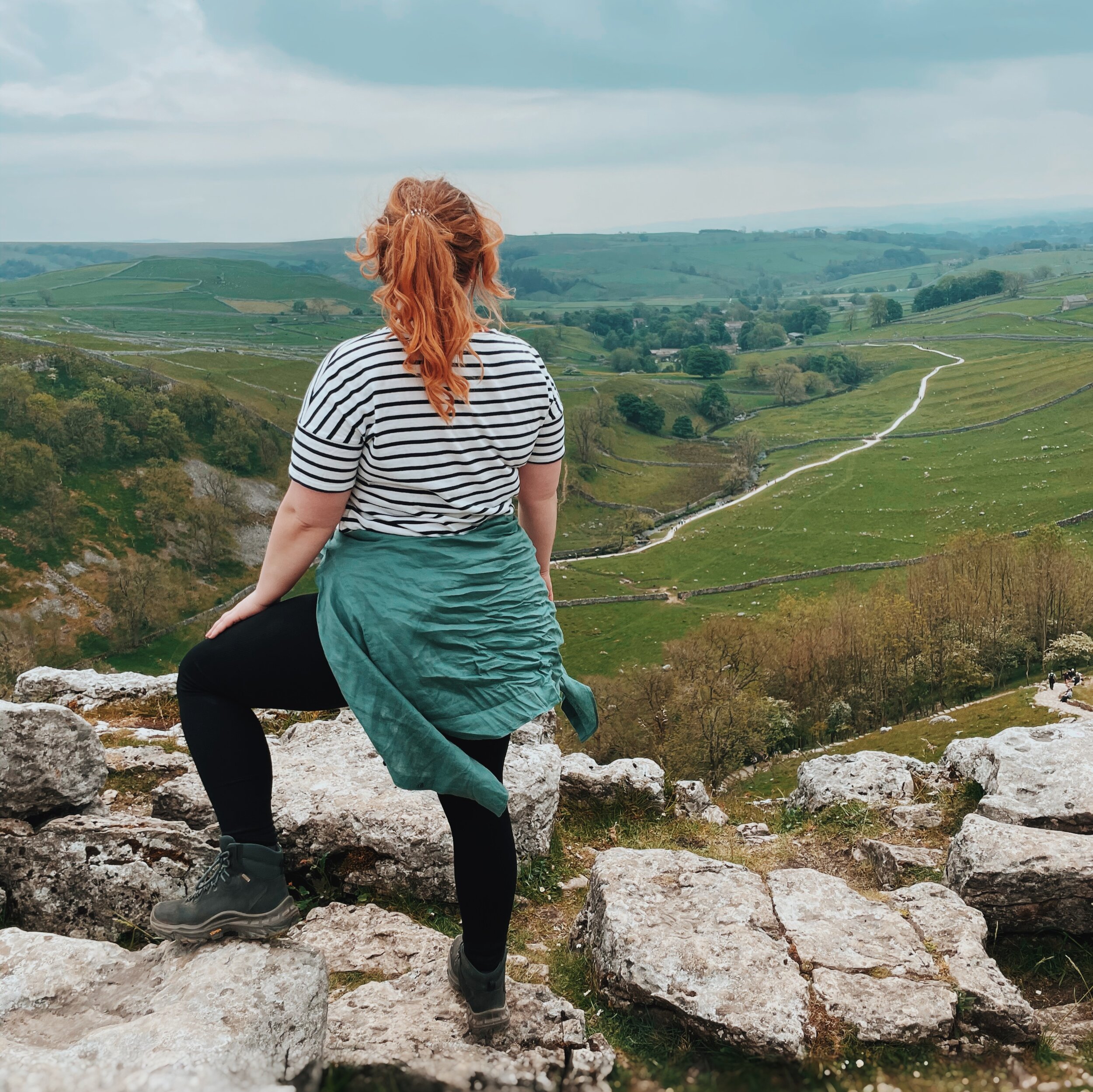
Exploring the English countryside without a car is easier than many people assume. Beyond towns with their own railway stations, a surprising number of rural destinations can be reached by bus, train, taxi or a combination of the three. What follows is a practical guide to visiting Yorkshire by public transport, drawn from personal experience and aimed at anyone who likes to plan in detail. ## Choosing where to stay The area between North and West Yorkshire, on the southern side of the Yorkshire Dales, makes a good base. Start by identifying the specific sights you want to see, then let transport links guide the rest of your decision. ### Atmosphere If your priority is being surrounded by nature or staying in a charming small town, begin by finding accommodation that appeals to you. Don’t worry too much about local transport at this stage, as long as you can reach the property by taxi. If there’s no shop within walking distance, pick up groceries before you travel. If you won’t be cooking every meal, look into the local pubs. Google Maps street view and 360 photos are useful for checking what an area actually looks like before you commit. ### Walking routes on your doorstep Keen walkers may want to stay right on the edge of the routes they plan to walk, or split a trip across two or three different accommodations. Staying close to the start of a walk the night before and after removes the stress of catching the last bus or train home. Malham Cove is a good example: it’s remote with very limited public transport, but the small town has accessible accommodation. If you’re new to countryside walking in England, local tourist information points usually sell maps for custom walks, and there are plenty of walking instructions available online. ### Transport connections If you want to visit lots of places, base yourself in a town with several transport options, ideally with train and bus connections to other towns that run throughout the day. Try to avoid routes that need more than one bus, as these can get complicated in the Dales. A train station and bus station within easy walking distance, plus a few restaurants or a grocery shop, will make everything simpler. If you still want proper time in nature, there should be options nearby. ### Pick your dates wisely Don’t rely on the first route search you did when you started planning. Many attractions don’t run every day of the week, particularly during holiday periods or on weekdays. If you fancy the steam train to a neighbouring town, check it’s actually running on the day and time you need. A regular bus service may look very different on a Sunday, perhaps running just once an hour between 11am and 2pm. You may need to plan your accommodation around the dates your chosen activity is available, or around whether public transport runs at all. It’s usually possible to work it out, but checking in advance avoids disappointment. ### Central bases If you don’t have specific sights in mind and just want a versatile base with good connections, Skipton and Settle are solid options for the Dales. Pickering works well for the North York Moors, and there’s plenty of public transport running directly from York. ## Public transport Public transport in Yorkshire is more usable than it might appear, though it pays to check the details rather than assume. Buses in particular can be less frequent, or less predictable, than visitors expect. ### Buses Look up the bus schedule in advance. Google Maps is generally up to date for planning routes, but once you’ve found the right bus, download the timetable and check for notes about specific dates or days of the week. Find out when the first and last buses run, as the times may surprise you. Most buses accept contactless payment. It’s worth carrying some cash, but a contactless card should cover you. When you get on, tell the driver your destination and ask for a single or return. You pay, and the ticket is printed for you to take from the machine yourself. Some buses run a tap in, tap out system instead, where you simply tap your card on and off. You can check which system applies with the driver or at a bus station ticket office, or just watch what other passengers do. Many bus networks offer discounted tickets bought online or through an app if you’ll be using the same routes repeatedly. The tap in, tap out system usually has an automatic daily cap. Some buses operate more like local shuttles, running only a few times a day, but they may be the only way to reach a remote location. Ask the driver how to pay, though in most cases you simply pay on the day. ### Trains Trains are straightforward. If you’re not from the UK, note that booking in advance gets you cheaper fares, as prices vary significantly depending on when you buy. Don’t leave booking longer journeys until the day of travel. For shorter local trains, you can use the Trainline app and book shortly before boarding. Long-distance trains often require advance booking and come with seat assignments. ### Steam trains Steam trains are worth treating as both a tourist attraction and a mode of transport. Yorkshire has several heritage railways, but they run on sparse schedules and not every day of the week or every season. The Keighley & Worth Valley Railway stops at Haworth, home of the Brontë Parsonage. The Embsay & Bolton Abbey Steam Railway runs from Embsay to Bolton Abbey, and there are others besides. You can order day rover tickets in advance if you plan to hop on and off, buy a return in a private compartment, or simply turn up and buy a ticket at the station. The historic stations are beautiful, and the staff dress the part. ### Taxis Taxi experiences in the countryside can vary widely. It’s worth calling the local company before you travel to check anything you need to know. For journeys of 10 to 30 minutes, they can usually help. If you’re worried about getting stranded, pre-book, and ask for the price in advance so you can make sure you have enough cash. All the taxis taken on the trip described here required cash, though some firms may accept card. ## Tours If you’ve exhausted Google Maps and genuinely can’t find a connection to your destination, or you simply want to fit more into a short trip, tours can be a good solution. They’re not always large coaches full of tourists; smaller van tours for six to ten people are common, often with a knowledgeable guide. You’ll cover a lot of ground and see your priority locations in a day. You won’t have much freedom to linger, but it’s a useful alternative. ## Places to visit The following are personal highlights worth returning to, plus a few still on the list for next time. ### Bolton Abbey This is the top recommendation. The ruins sit in a beautiful valley, and there’s a second-hand bookshop and a few cafes nearby. Crossing the stepping stones over the river is a particular pleasure. On a sunny day the valley fills with families enjoying the water, which can mean a long queue for the stepping stones. If you’re visiting during a holiday period, arrive early or late to avoid the crowds. Entry is free if you’re not arriving by car, and you can simply walk onto the grounds. When crossing the stepping stones, leave valuables on shore with a friend, as the slanted stones catch plenty of people off balance. ### Malham Cove and Gordale Scar If you don’t like stairs, be warned. Even so, this is a brilliant place to visit without going all the way to the top. Malham Cove appeared in Harry Potter and the Deathly Hallows and the 2009 adaptation of Wuthering Heights. A twice-daily shuttle bus runs from Skipton, which seems to be the easiest public transport link. If you want to take your time, you can stay overnight in one of the local bed and breakfasts. The cove is a pleasant stroll from Malham, either along a white path or via the clearly signposted route through fields and stone-walled paths, which is highly recommended. The valley is stunning. From there, 400 steps lead to the top. It’s hard going but manageable with a few breaks, taking around 30 minutes. If you still have energy, continue to Gordale Scar, a limestone ravine that looks spectacular. ### Haworth and the Brontë Parsonage The home town of the Brontë sisters is a must for any fan. You can visit the house where they lived, the graveyard they could see from their windows, the moors just outside town, and the steep but beautiful high street. Listening to the Wuthering Heights audiobook while wandering around adds to the atmosphere. You can also walk to the sisters’ favourite spot, the Brontë Waterfall, and to Top Withens, a ruined farmhouse on the moors often cited as a possible inspiration for Wuthering Heights. ### Skipton Castle This well-preserved castle sits in the charming town of Skipton. It currently runs a self-guided tour. The interior is mostly empty, but the fairy-tale courtyard alone is worth the visit. Allow about an hour here, plus another hour or two to explore the town. ### East Riddlesden Hall A 30-minute walk, or a five-minute bus ride, from Keighley station, East Riddlesden Hall is a beautiful National Trust property with friendly guides and small but lovely gardens. The exterior was used as Wuthering Heights in the 2009 adaptation, mostly the front of the house. It’s worth a visit, and National Trust members should bring their cards. ## Still on the wishlist These places haven’t been visited yet, so no personal recommendations can be offered, but they’re high on the list. - Fountains Abbey. Looks similarly awe-inspiring to Bolton Abbey, with beautiful grounds. Reachable by bus from Ripon. - Rievaulx Abbey. For North York Moors abbey ruins. No direct bus, but you can walk from Helmsley, which is reachable by bus from York. - North Yorkshire Moors Railway, Goathland Station. The filming location for the Hogsmeade station. Reachable directly by bus from York, or a shorter trip from Whitby. - Whitby. The coastal town that inspired Bram Stoker’s Dracula, with the ruins of Whitby Abbey. About two to two and a half hours from York by public transport, using one train and one bus, or one direct bus. - Ribblehead Viaduct. Reachable by train from Settle or other connecting towns to the north. - Castle Howard. For lovers of grand stately homes. There’s a direct bus from York called the CastleLine. - Hardraw Force Waterfall. A pretty spot, though tricky to reach, so perhaps one for when you’re already in the area. It can be reached by a 1.5-hour bus from Leyburn. ## Travel checklist Once your plans and accommodation are booked, use this checklist to make sure nothing is missing. - Use Google Street View to check for nature areas near your accommodation. - Download all needed public transport times and schedules. - Take out cash for taxis. - Download the Google Maps area for offline use. - Bookmark or screenshot any public walking routes from footpathmap.co.uk, which is handy when paths cross farmers’ fields. - Download descriptions of specific walking routes. - If you need to walk from a town to your accommodation, check Google Street View for a pavement, or make alternative plans. - Check dates for any unexpected closures at attractions. - Write down the numbers of several local taxi firms. - Prepare backup routes or entertainment in case of weather or tiredness. - If you plan to eat at a pub en route, check whether it stops serving food in the afternoon. - Weather essentials: cap, sunscreen, rain jacket and appropriate shoes. - Check pronunciations for the towns you’re visiting, so buying a ticket on the bus goes smoothly. - Bring backup snacks so you don’t have to rely on finding an open corner shop. - Pack a book, board game or Chromecast for your accommodation. - Bring what you need for a picnic: reusable bags, a fork and so on. - Don’t forget your National Trust membership and any travel cards.